
Gentle Light for Restful Nights

Tonight we explore lighting strategies that support evening wind-down and sleep, blending science and practical design so you can switch off smoothly. From color temperature and dimming to rituals and smart schedules, discover how thoughtful light choices signal your body to relax, protect melatonin, and prepare for genuinely restorative rest without sacrificing comfort, safety, or cozy ambiance.

How Evening Light Shapes Your Body Clock

Light is the master timekeeper for your internal clock, telling your brain when to be alert and when to release melatonin. In the evening, cooler, brighter light stimulates wakefulness, while softer, warmer light supports relaxation. Understanding this relationship helps you create intentional transitions that calm the nervous system, reduce cognitive arousal, and make sleep feel inviting rather than forced or frustrating.

Spectrum, Melanopsin, and Sleep Signals

Your eyes host light-sensitive cells tuned to blue-rich wavelengths around 480 nanometers, telling the brain it’s daytime. In the evening, swapping to warmer color temperatures reduces this signal, allowing melatonin to rise. Even modest changes help, especially combined with dimming and minimized glare, creating a visual environment that gently whispers, rather than shouts, that it’s time to slow down.

Intensity, Timing, and the Dim-Down Window

Besides spectrum, brightness matters. High lux levels after sunset delay melatonin and steal sleepiness. Ease into a dimmer environment around ninety minutes before bedtime, lowering illuminance progressively. Think of it as a soft fade rather than a sudden blackout, giving your mind time to detach from tasks, reduce stimulation, and lean into comfortable, unhurried restfulness.

Warmer Bulbs for Evening Comfort
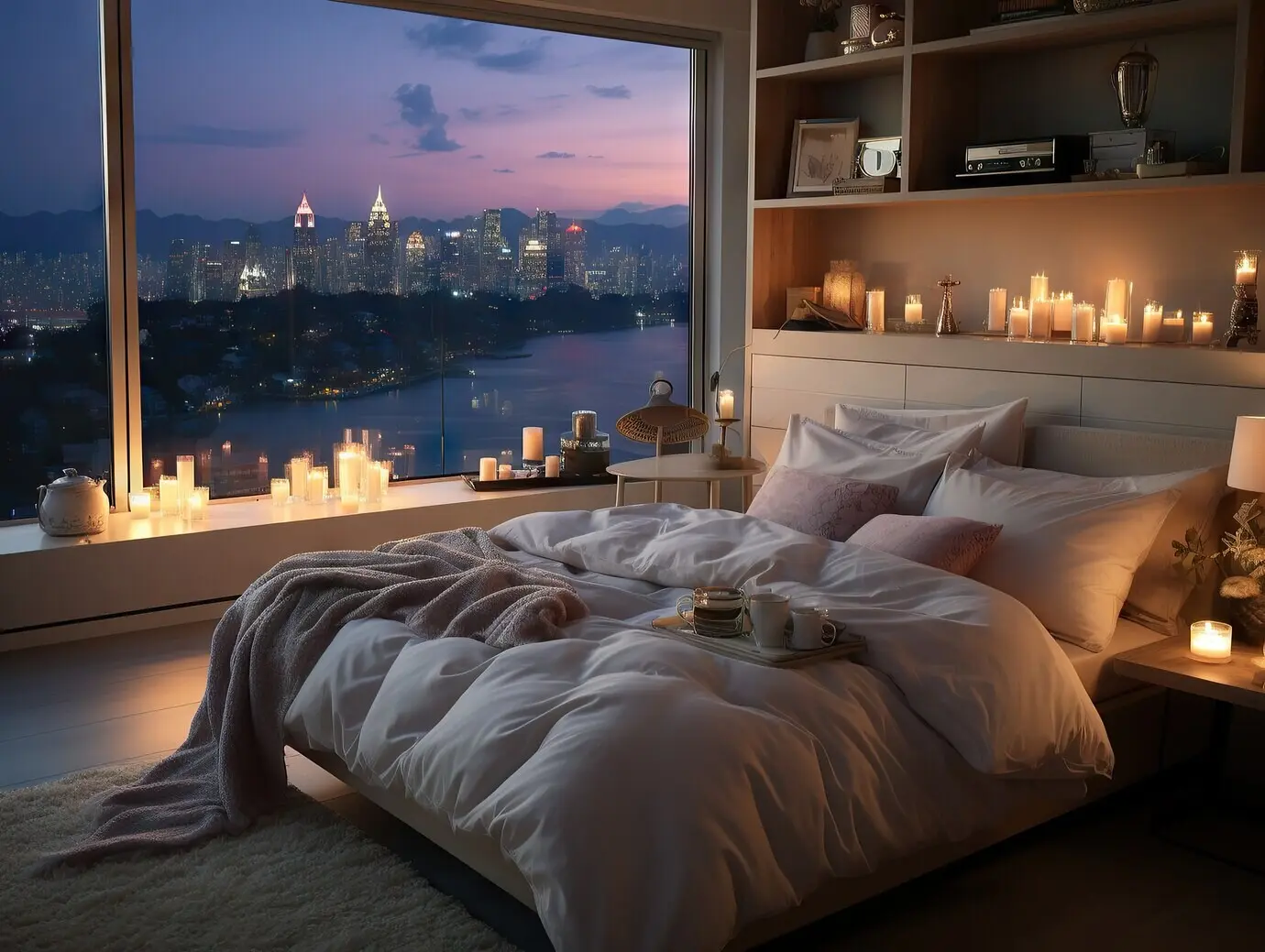
Select warm white LEDs labeled 2700K, 2400K, or 2200K for rooms used after sunset. These mimic candlelike warmth while remaining practical and efficient. If you prefer adjustable products, choose tunable white fixtures and schedule evening tones to remain consistently warm, reducing temptation to crank brightness up, and preserving a tranquil, low-stress atmosphere that invites your mind to drift.

Dimmers, Layers, and Gentle Transitions

Install dimmers to create a smooth gradient from active evening to pre-sleep calm. Use layered lighting—ambient, accent, and task—so you can selectively lower overheads and rely on localized pools of light. This approach eliminates harsh contrasts, reduces visual fatigue, and preserves focus on relaxing activities, while avoiding the jarring on–off cliff that spikes alertness unexpectedly.

Room-by-Room Evening Lighting Design

Living Room Calm Without Sleepiness

Use table and floor lamps with warm bulbs and fabric shades to diffuse light, keeping overheads dim or off. Add accent lighting behind plants or shelves to create depth without intensity. This maintains coziness for reading or conversation while avoiding bright hotspots that restart alertness. Aim for comfort that rewards quiet presence, unhurried thoughts, and gentle end-of-day connection.

Kitchen and Dining After Dark

Evenings often include light food prep or tea. Keep under-cabinet lights warm and dimmed, providing task clarity without flooding the space. Over the table, use a low-level pendant on a dimmer, keeping brightness focused downward. This preserves a calm halo for conversation, minimizing peripheral glare that signals wakefulness. Clean-up is easier when light is precise, not overpowering.

Hallways and Bathroom Without Waking Up

Night trips should be safe yet gentle. Use motion-activated, low-lumen amber or red-leaning nightlights positioned low to the floor. In bathrooms, consider a dim night mode under the vanity or behind a mirror. Avoid cool, bright switching that jolts alertness. Subtle guidance lighting protects sleep continuity and confidence, especially helpful for guests, children, and groggy, late-hour moments.

Bedside Lighting for Reading and Relaxation

Choose bedside lamps with warm light, good glare control, and focused beams that illuminate pages without splashing the room. Consider shades or directional heads with dimmers for fine control. A separate, very low-glow night option prevents full wake-ups after dozing. By respecting eyes and circadian cues, reading becomes a soothing bridge into sleep rather than an accidental stimulant.

Night Walks Without Overexposure

For late bathroom visits, avoid bright general lighting. Instead, use floor-level guides or under-bed motion lights capped at very low lux. Keep color warm or amber to reduce melatonin disruption. The aim is stable orientation without cognitive activation—just enough visibility to feel safe and return to bed quickly, preserving drowsiness and the fragile thread of ongoing rest.

Morning Brightness to Anchor the Day

Evening success depends on morning light. Expose yourself to bright, cool daylight soon after waking—open curtains or step outside briefly. This anchors your circadian rhythm and makes evening sleepiness arrive on schedule. Pair this with a bedroom routine that uses warm, dim light at night, creating a reliable daily rhythm that gently trains your brain to expect rest.

A Bedroom That Protects Melatonin

Make the bedroom a sanctuary for rest: warm-toned, adjustable lighting, blackout options, and thoughtful placement that avoids direct glare. Keep screens out or strongly filtered, and give yourself a consistent dim-down window. Small details—switch location, beam angle, and bedside fixtures—add up to predictable comfort that makes falling asleep feel natural rather than like a nightly negotiation.

Screens, Tech, and Smart Controls

Devices and smart lighting can either disrupt or reinforce your wind-down. Use filters, warmer tones, and automation to reduce blue-weighted output and prevent accidental brightness spikes. Technology should support your intentions: predictable cues, gentle transitions, and effortless adherence to evening routines that shrink decision fatigue and make healthy sleep patterns pleasantly easy to maintain nightly.

Rituals, Travel Tips, and Community Support

Light becomes most powerful when paired with comforting routines. Create a ninety-minute glide path featuring warm illumination, slower breathing, and quiet tasks. When traveling, mimic your home’s cues with portable amber lights and blackout aids. Share your successes, ask questions, and subscribe for new ideas, evidence summaries, and real-life stories that keep your evenings steady and your sleep dependable.
Lutirivifozotake
Privacy Overview

This website uses cookies so that we can provide you with the best user experience possible. Cookie information is stored in your browser and performs functions such as recognising you when you return to our website and helping our team to understand which sections of the website you find most interesting and useful.